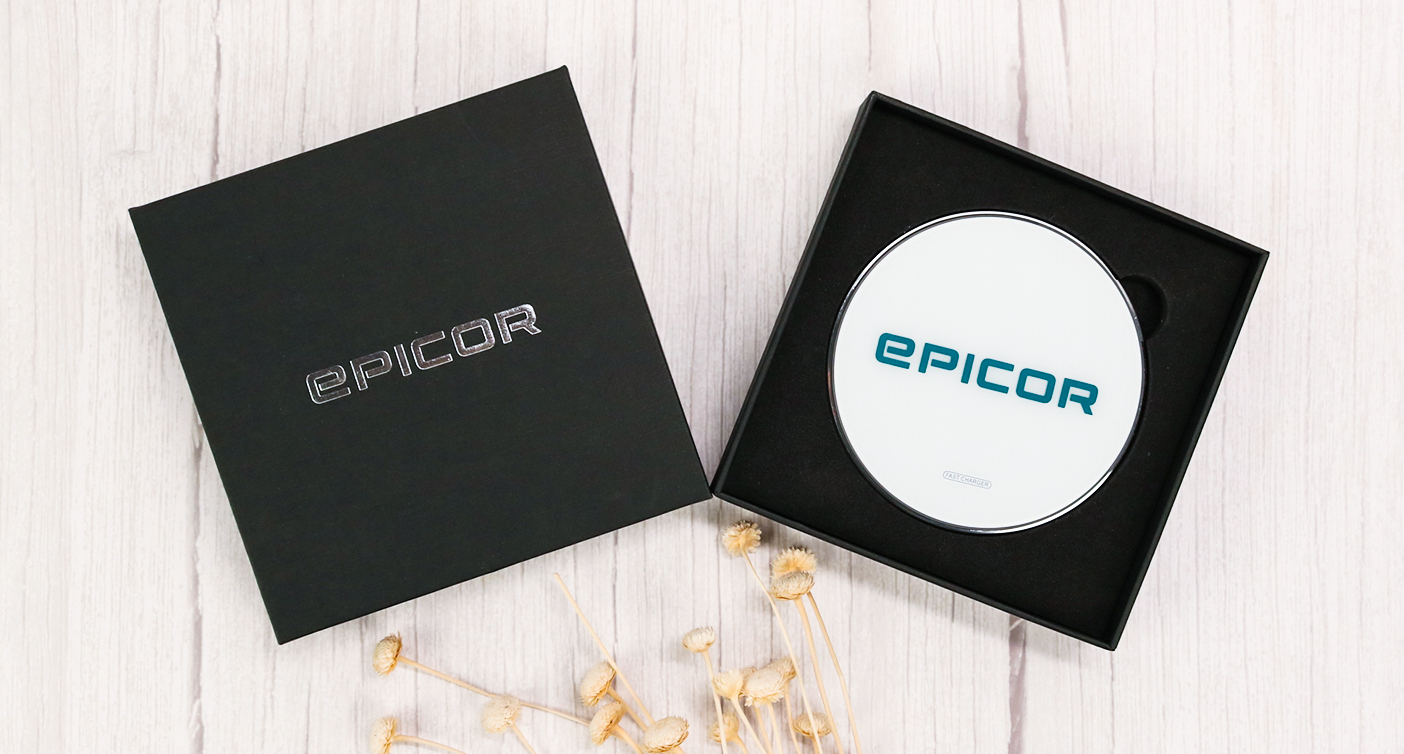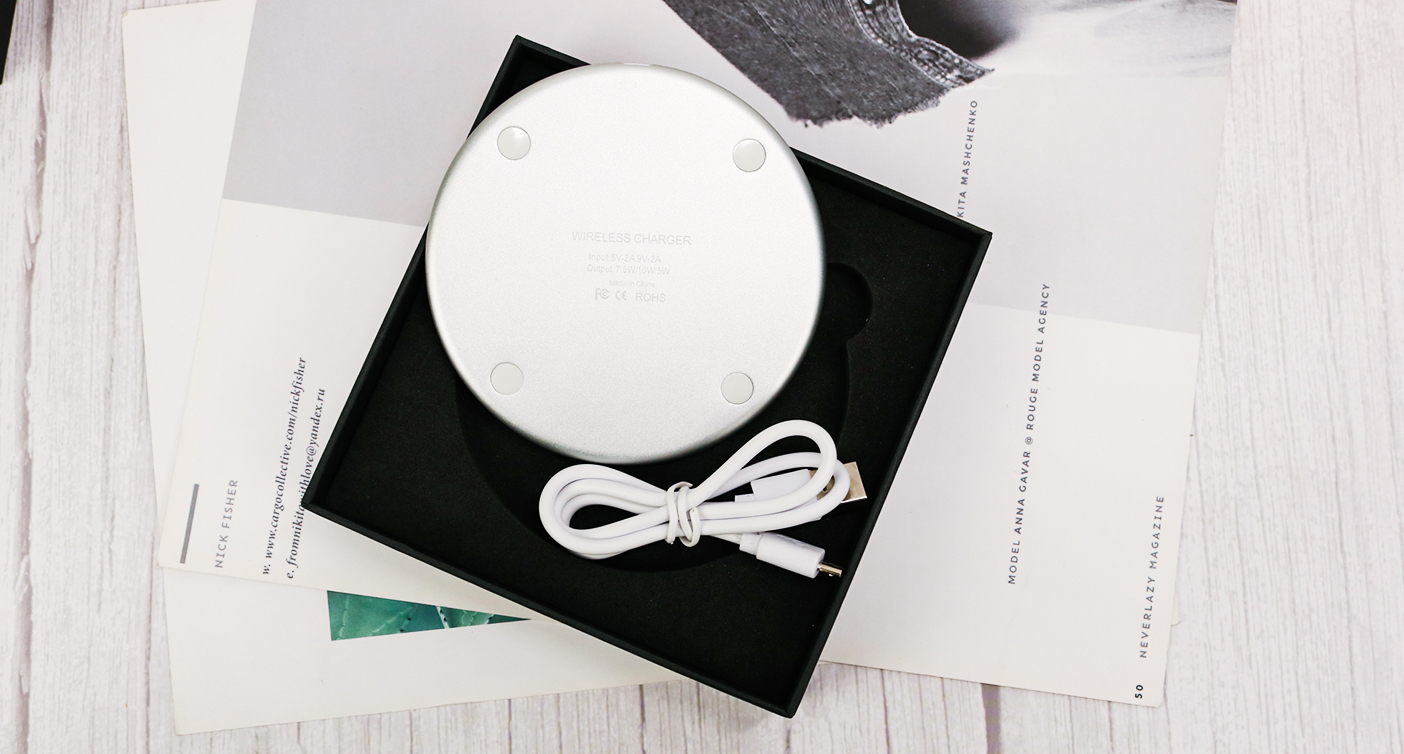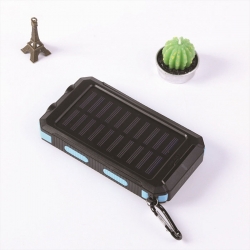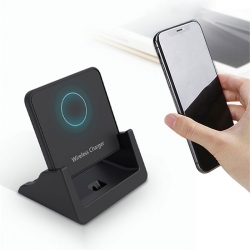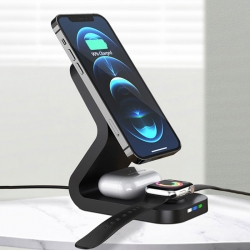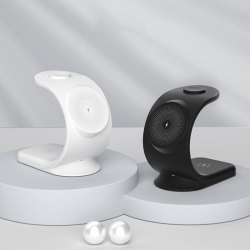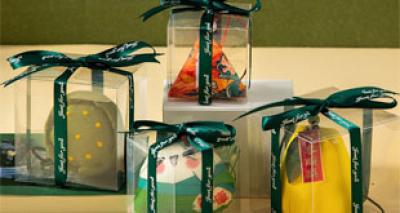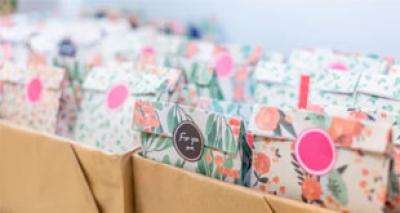




In the fierce market competition, advertising has become an important means for enterprises to shape a good brand image and attract consumers. Through advertising, enterprises can not only highlight the characteristics of their products and services, but also effectively enhance brand awareness. As a complementary means of advertising, advertising gift selection is particularly important.
Giving business gifts has now become a very effective way for companies to expand and maintain customers; although it often happens, but not every gift is effective or successful, then how can enterprises improve the success rate of business gifts, how to give gifts customers will like it more?
In today’s increasingly competitive business environment, customer relationship management has long transcended mere exchanges of benefits. An appropriate gift is not only a silent expression of corporate values but also a bridge for emotional resonance. As digital communication gradually becomes mainstream, tangible gifts imbued with warmth can actually serve as powerful tools to break through information barriers. How can a gift transcend the category of a "present" and truly become a connection between both parties? This requires a systematic thinking approach that incorporates human insights.

Many medium-sized or large enterprises will choose professional gift companies to help them customize gifts during the New Year holidays. At present, gift customization is indeed one of the most popular ways, however, why is gift customization so popular?
In the holiday season whether it is to improve the cohesion of the team staff or to strengthen the communication with the cooperative enterprises, enterprises will choose to give gifts, many enterprises will choose a professional gift company to customize. Then for the gift company, the positioning of their products is also need to pay attention to many aspects.

杯類產品,作為日常生活中,使用頻率偏高的食品接觸類盛裝器皿,市售產品有不同的材質供消費者選擇;不同的材質,體現出來的產品特點也不同。常見的杯類產品多為陶瓷製成。
陶和瓷,其實是不同的2個東西,雖然我們習慣性會把他們聯系在一起;陶的吸水率比瓷高;陶的質地會比瓷相對松,軟一些;經過高溫成型的陶、瓷杯子,土胚中不好的物質,雜質,在高溫下不復存在,成型後的杯子厚重有手感,光滑幹凈。
陶瓷的材質大致分為4類:
骨瓷:
基本工藝是以動物的骨炭、粘土、長石和石英為基本原料,經過高溫素燒和低溫釉燒兩次燒制而成的一種瓷器。骨質瓷的兩個基本特征是區別骨質瓷與其它瓷器之間的本質依據。特征一:骨炭含量36%以上(國家標準);特征二:經過二次燒成而成(素燒,釉燒)。
根據英國所設的骨瓷標準,含有30%來自動物骨骼中的磷酸三鈣,且成品具有透光性,方得稱為骨瓷。而美國的標準則,最少要是設在25%。
推薦禮品:
{BD-030,BD-031}
瓷:
在制陶的溫度基礎上再添火加溫,陶就變成了瓷。陶與瓷的區別在於原料土的不同和溫度的不同。陶器的燒制溫度在800-1000度,瓷器則是用高嶺土在1300-1400度的溫度下燒制而成。
還有一種玉瓷是經礦物巖石經現代納米技術細琢研制而成,質地細膩白皙、玉質雪肌、高潔瑩潤,超常的透明度和光澤度,感觀、手感都非同一般。 區別於傳統陶瓷,一般意義上,玉瓷指的就是礦物質瓷,也稱礦粉瓷。
推薦禮品:
{BT-462,BT-528}
搪瓷:
看到這款肯定有很多朋友出現懷舊的感覺。其實搪瓷就是塗燒在金屬底坯表面上的無機玻璃瓷釉。在金屬表面進行瓷釉塗搪可以防止金屬生銹,使金屬在受熱時不至於在表面形成氧化層並且能抵抗各種液體的侵蝕。
搪瓷制品不僅安全無毒,易於洗滌潔凈,兼備了金屬的強度和瓷釉華麗的外表以及耐化學侵蝕的性能。可以廣泛地用作日常生活中使用的飲食器具和洗滌用具,而且在特定的條件下,瓷釉塗搪在金屬坯體上表現出的硬度高、耐高溫、耐磨以及絕緣作用等優良性能,使搪瓷制品有了更加廣泛的用途。
禮品推薦:
{BT-495}
陶瓷:
陶瓷是以粘土為主要原料以及各種天然礦物
經過粉碎混煉、成型和煆燒制得的材料以及各種制品。
人們把一種陶土制作成的在專門的窯爐中高溫燒制的物品叫陶瓷,對於它的主要原料是取之於自然界的矽酸鹽礦物(如粘土、石英等)。陶瓷是陶器和瓷器的總稱。陶瓷的傳統概念是指所有以粘土等無機非金屬礦物為原料的人工工業產品。
推薦禮品:
{BT-163,BT-522}
陶瓷杯有以下幾點好處:
(1)厚重有手感,比較平穩
密胺其中的一個特點就是相對輕,不銹鋼稍微重一些,但因為材質的問題,杯低比較滑。
(2)表面光滑,易清潔
密胺在使用及保養不當時,容易變形,變色。表面磨損後容易著色,不易清潔;不銹鋼也存在容易著色,不易清潔茶漬的情況。
(3)更安全
陶瓷不存在高溫時,有不好物質釋出的情況;對食物,水本身沒有影響,使用起來更安心。
(4)保溫性能更佳
密胺一般不建議用於盛裝高溫的食品或水等飲品。不銹鋼在安全性上相對好些,但普通的杯子(非保溫杯)裝熱飲後容易冷卻;陶瓷杯的保溫性能相比優越些,如果是骨瓷杯子,保溫性能更好。
Mouse pads are an essential accessory in the office and are highly utilized, so they have practical value as gifts that can be accepted and used. Compared with other gifts, such as stationery, tableware, etc., mouse pads have lower production and transportation costs, and can be reused, in line with the concept of environmental protection and energy saving. Mouse pad is a kind of affordable, good advertising effect, easy to implement office gifts, to enhance brand awareness and promote products have an important role, so it is known as the enterprises often choose the popular products.
In the long river of human civilization, there are always some objects that carry historical memories while nourishing the interesting aspects of present life, and badges are an irreplaceable existence among them. Originally a symbol of power for the European nobility in the Middle Ages, it has evolved into a beloved collectible for the general public. With its unique aesthetics and emotional value, it has become an important keepsake for communication and commemoration in modern society. How has a small piece of metal or stone transformed from a threshold of class into a bridge of emotions over the course of eight hundred years?